
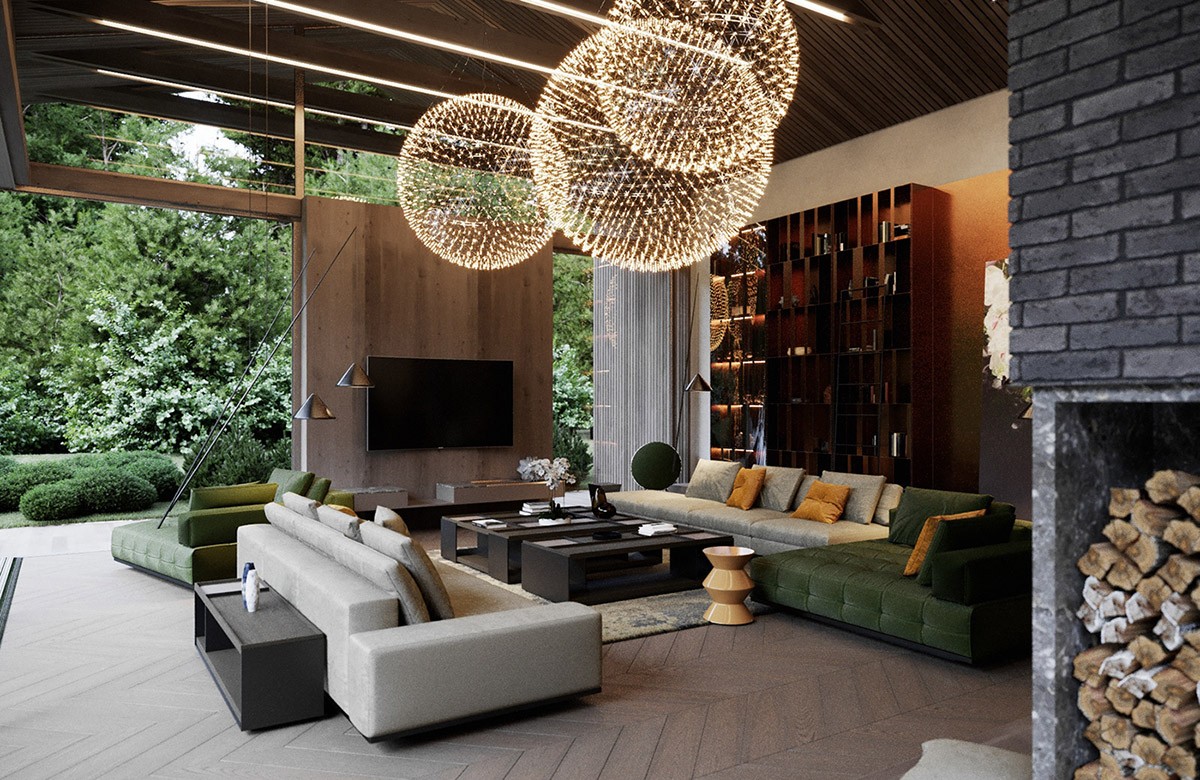
Creating a space that feels both functional and inviting can often seem like a daunting task. Whether you’re moving into a new home or simply looking to refresh your current environment, understanding the principles of intuitive interior design can transform your space into a sanctuary that reflects your personality and meets your needs. This blog post will guide you through practical tips and strategies to enhance your living areas, making them more comfortable and aesthetically pleasing.
Understanding Intuitive Interior Design
Intuitive interior design is about creating spaces that resonate with your emotions and lifestyle. It involves more than just aesthetics; it’s about how a space makes you feel and how it functions in your daily life. Here are some key principles to consider:
Prioritize Functionality
Before diving into colors and decor, assess how you use your space. Ask yourself:
- What activities do you perform in this area?
- Are there any obstacles that hinder movement?
- How can the layout be adjusted to improve flow?
For example, in a living room, consider the arrangement of furniture. A circular seating arrangement can encourage conversation, while a linear setup may be better for watching television.
Embrace Natural Light
Natural light can dramatically affect the mood of a space. Here are some ways to maximize it:
- Use sheer curtains to allow light in while maintaining privacy.
- Position mirrors strategically to reflect light and make the space feel larger.
- Choose light colors for walls and furniture to enhance brightness.
Incorporating these elements can create a warm and inviting atmosphere that energizes your space.
Choosing the Right Color Palette
Color plays a crucial role in how we perceive a space. The right palette can evoke emotions and set the tone for your home. Here’s how to choose wisely:
Understand Color Psychology
Different colors can influence mood and behavior. For instance:
- Blue promotes calmness and tranquility, making it ideal for bedrooms.
- Yellow stimulates happiness and creativity, perfect for kitchens or workspaces.
- Green connects us to nature and can be refreshing in any room.
Create a Cohesive Look
When selecting colors, consider how they will work together throughout your home. A cohesive color scheme can create a sense of harmony. Use a color wheel to find complementary colors or choose varying shades of the same hue for a more subtle approach.
Incorporating Texture and Patterns
Adding texture and patterns can bring depth and interest to your space. Here are some tips to do this effectively:
Layer Textures
Mixing different textures can create a rich and inviting environment. Consider combining:
- Soft textiles like velvet or cotton for cushions and throws.
- Hard materials such as wood or metal for furniture and decor.
- Natural elements like plants or stone for a touch of the outdoors.
Use Patterns Wisely
Patterns can add character, but too many can overwhelm a space. Here’s how to balance them:
- Choose one or two bold patterns as focal points, such as a statement rug or wallpaper.
- Use solid colors to complement and ground the patterns.
- Consider the scale of patterns; larger patterns can make a space feel smaller, while smaller patterns can open it up.
Personalizing Your Space
Your home should reflect who you are. Here are ways to infuse your personality into your design:
Display Personal Items
Incorporate items that tell your story, such as:
- Family photos in unique frames.
- Travel souvenirs that spark memories.
- Artwork that resonates with you.
Create Functional Art
Consider furniture that doubles as art. For example, a beautifully crafted coffee table can serve as both a functional piece and a conversation starter.
Maximizing Space in Small Areas
If you’re working with limited space, there are clever ways to make it feel larger and more functional:
Use Multi-Functional Furniture
Invest in furniture that serves multiple purposes. Examples include:
- A sofa bed for guests.
- Ottomans with storage inside.
- A dining table that can expand for gatherings.
Opt for Vertical Solutions
When floor space is limited, think vertically. Use:
- Tall bookshelves to draw the eye upward.
- Wall-mounted shelves to display decor without taking up floor space.
- Hooks and pegboards for organization.
Creating Zones in Open Spaces
Open floor plans can be challenging when it comes to defining areas. Here’s how to create distinct zones:
Use Area Rugs
Area rugs can visually separate spaces while adding warmth. Choose rugs that complement the color scheme of each zone.
Employ Furniture Arrangement
Position furniture to create natural boundaries. For example, a sofa can delineate the living area from the dining space.
Lighting: The Unsung Hero
Lighting can make or break a room. Here are some tips to enhance your space with effective lighting:
Layer Your Lighting
Incorporate three types of lighting:
- Ambient lighting for overall illumination (e.g., ceiling fixtures).
- Task lighting for specific activities (e.g., reading lamps).
- Accent lighting to highlight decor (e.g., wall sconces).
Consider Dimmers
Installing dimmer switches allows you to adjust the mood of a room easily. Bright lights can energize a space, while softer lighting can create a cozy atmosphere.
Bringing the Outdoors In
Nature can have a calming effect on our well-being. Here are ways to incorporate natural elements into your design:
Use Plants
Plants not only purify the air but also add life to your space. Consider:
- Low-maintenance options like succulents or snake plants.
- Hanging plants to save floor space.
- Large potted plants as statement pieces.
Natural Materials
Incorporate materials like wood, stone, or bamboo in your decor. These elements can create a warm and inviting atmosphere that connects you to nature.
Conclusion
Transforming your space into a haven of comfort and style is achievable with intuitive interior design principles. By focusing on functionality, color, texture, personalization, and lighting, you can create an environment that not only looks good but also feels good. Remember, your home is a reflection of you, so let your personality shine through in every corner. Start small, experiment with different ideas, and enjoy the journey of creating a space that truly feels like home.
Now that you have these tips, it’s time to roll up your sleeves and start transforming your space!