
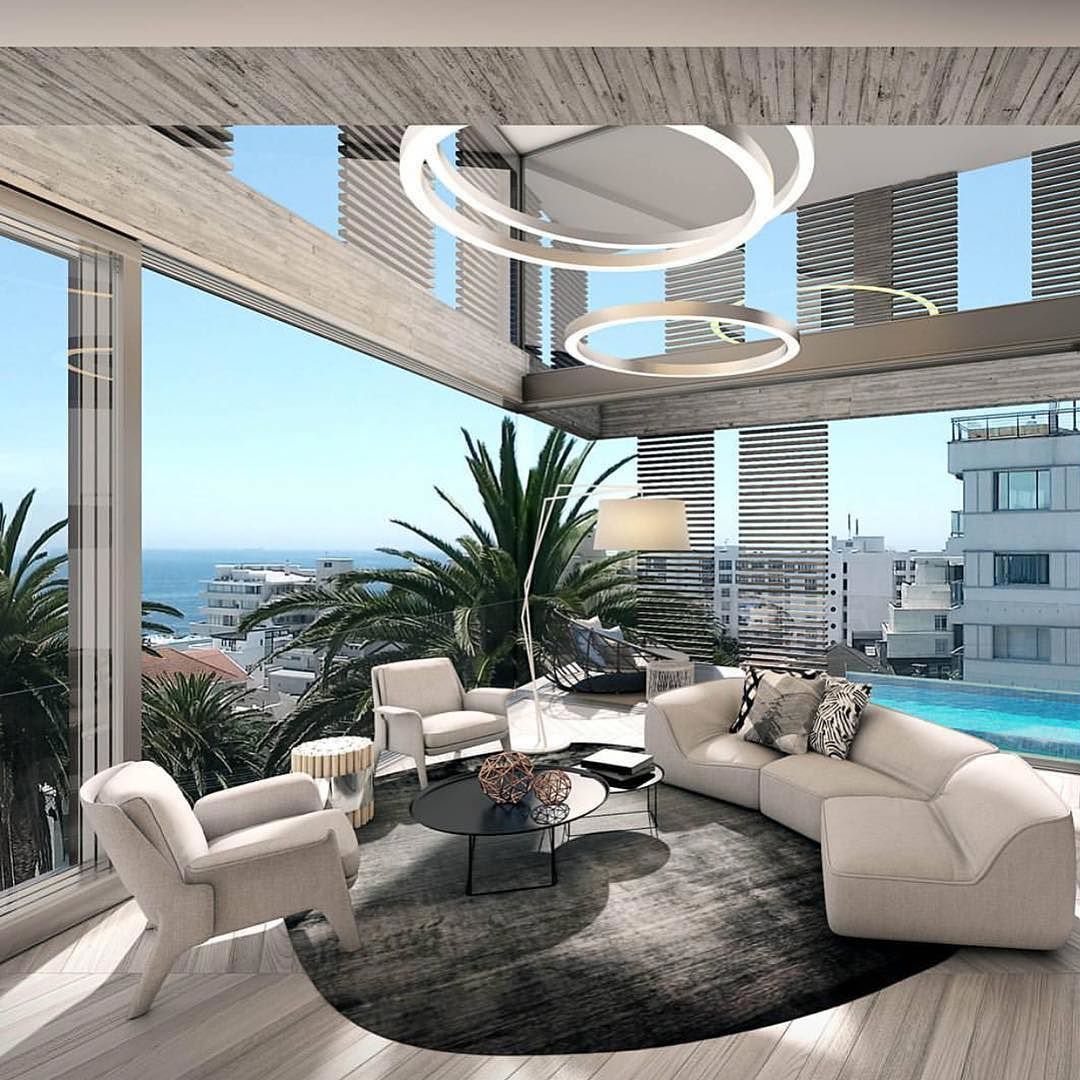
Creating livable spaces is more than just a design choice; it’s about crafting environments that foster real-life experiences. Whether you are designing a home, an office, or a community space, the goal is to create areas that are functional, comfortable, and inviting. In this blog post, we will explore the principles of designing livable spaces, practical tips for implementation, and real-life examples that illustrate the impact of thoughtful design.
Understanding Livable Spaces
What Are Livable Spaces?
Livable spaces are environments that prioritize comfort, functionality, and aesthetics. They are designed to enhance the quality of life for their occupants, making daily activities more enjoyable and efficient. These spaces can range from homes and offices to parks and public areas. The key elements of livable spaces include:
- Comfort: Ensuring that the space feels welcoming and relaxing.
- Functionality: Designing areas that serve their intended purpose effectively.
- Aesthetics: Creating visually appealing environments that inspire and uplift.
The Importance of Livable Spaces
In our fast-paced world, the spaces we inhabit significantly influence our well-being. Livable spaces can reduce stress, promote productivity, and enhance social interactions. Research shows that well-designed environments can lead to improved mental health and overall happiness. By focusing on creating livable spaces, we can foster communities that thrive.
Key Principles of Designing Livable Spaces
1. Prioritize Natural Light
Natural light is essential for creating inviting spaces. It not only enhances the aesthetic appeal but also has numerous health benefits. Here are some ways to incorporate natural light into your designs:
- Large Windows: Use expansive windows to allow maximum sunlight.
- Open Layouts: Design open spaces that encourage light flow.
- Reflective Surfaces: Utilize mirrors and light-colored walls to amplify brightness.
2. Embrace Nature
Integrating nature into your design can create a calming atmosphere. Biophilic design, which emphasizes the connection between humans and nature, can enhance livability. Consider these strategies:
- Indoor Plants: Add greenery to improve air quality and aesthetics.
- Natural Materials: Use wood, stone, and other organic materials to create a warm feel.
- Outdoor Spaces: Design patios, gardens, or balconies that invite outdoor living.
3. Focus on Functionality
A livable space must serve its intended purpose effectively. This means considering the needs of the occupants and designing accordingly. Here are some tips:
- Flexible Furniture: Choose adaptable furniture that can be rearranged for different activities.
- Smart Storage Solutions: Incorporate built-in storage to reduce clutter and maximize space.
- Zoning: Create distinct areas for various activities, such as work, relaxation, and socializing.
4. Create a Sense of Community
Spaces that encourage social interaction can enhance the livability of an area. Whether it’s a neighborhood park or a communal workspace, fostering connections is vital. Here’s how to do it:
- Gathering Areas: Design spaces with seating arrangements that promote conversation.
- Community Events: Organize activities that bring people together, such as workshops or social gatherings.
- Inclusive Design: Ensure that spaces are accessible to everyone, regardless of age or ability.
5. Personalize the Space
Personal touches can make a space feel more like home. Encourage occupants to express their individuality through design. Consider these ideas:
- Custom Decor: Allow for personal artwork or photographs to be displayed.
- Color Choices: Let occupants choose colors that resonate with them.
- Functional Accessories: Incorporate items that reflect personal interests, such as bookshelves or hobby areas.
Practical Tips for Implementing Livable Spaces
Assess the Needs of Occupants
Before designing a space, it’s crucial to understand the needs and preferences of its occupants. Conduct surveys or interviews to gather insights. This information will guide your design decisions and ensure that the space meets their expectations.
Use Technology Wisely
Incorporating technology can enhance the functionality of a space. Smart home devices, for example, can improve comfort and convenience. Consider these options:
- Smart Lighting: Use adjustable lighting systems that can be controlled remotely.
- Temperature Control: Install smart thermostats to maintain a comfortable environment.
- Home Automation: Implement systems that allow for seamless control of various functions.
Experiment with Layouts
Don’t be afraid to experiment with different layouts to find what works best. Use 3D modeling software or physical mock-ups to visualize your designs. This approach can help identify potential issues before implementation.
Gather Feedback
Once the space is designed and implemented, gather feedback from occupants. This input is invaluable for making adjustments and improvements. Regularly check in to ensure that the space continues to meet their needs.
Real-Life Examples of Livable Spaces
Residential Design: The Open Concept Home
Open concept homes have gained popularity for their ability to create a sense of spaciousness and flow. By removing walls between living areas, homeowners can enjoy a more connected environment. This design encourages interaction among family members and enhances natural light throughout the space.
Community Spaces: Urban Parks
Urban parks serve as vital community hubs, providing residents with a place to relax, socialize, and engage in recreational activities. Successful parks incorporate elements such as walking paths, seating areas, and green spaces. For example, New York City’s High Line transformed an abandoned railway into a vibrant public park that fosters community interaction and appreciation for nature.
Office Design: Collaborative Workspaces
Modern office designs are shifting towards collaborative workspaces that promote teamwork and creativity. These spaces often feature open layouts, communal areas, and flexible furniture arrangements. Companies like Google and Facebook have embraced this trend, creating environments that encourage innovation and collaboration among employees.
Conclusion
Creating livable spaces is an essential aspect of enhancing our daily experiences. By prioritizing natural light, embracing nature, focusing on functionality, fostering community, and personalizing designs, we can craft environments that truly resonate with their occupants. Whether you are designing a home, an office, or a public space, remember that the goal is to create areas that support real-life experiences.
As you embark on your design journey, consider the needs of those who will inhabit the space. Gather feedback, experiment with layouts, and embrace technology to create environments that are not only beautiful but also functional and inviting. Start today by assessing your current spaces and envisioning how they can be transformed into livable areas that enhance everyday life.